Trump's Global Agenda: Navigating Geopolitical Fault Lines and Domestic Imperatives
As the global stage braces for potential shifts in leadership, the prospect of Donald Trump’s return to the political forefront sends ripples through international relations. His past tenure was characterized by a distinctive foreign policy approach, marked by transactional diplomacy, a willingness to challenge established norms, and a strong "America First" ethos. Examining his potential future impact requires a deep dive into key regions and policy areas, particularly Iran, China, and the persistent influence of domestic pressures. For anyone tracking the latest world news, understanding these interconnected dynamics is crucial for anticipating the future of global stability.
Navigating the Geopolitical Tightrope: Trump's Stance on Iran
The Middle East remains a volatile crucible of geopolitical tension, and Iran sits at its strategic heart. Donald Trump's previous administration pursued a strategy of "maximum pressure" against Tehran, withdrawing from the Iran nuclear deal (JCPOA) and imposing crippling sanctions. This approach often led to direct confrontations, with Iran's foreign minister reportedly warning the UK that allowing the US to use British bases constituted "participation in aggression." The UK, in turn, sought to distance itself, emphasizing it was "not getting drawn into the wider war."
The echoes of past rhetoric are strong. During his previous term, President Trump reportedly drew controversial parallels between US strikes on Iran and the 1941 Japanese attack on Pearl Harbor, a comparison that raised eyebrows in diplomatic circles. Such statements underscore a willingness to invoke powerful historical imagery, potentially escalating tensions rather than de-escalating them.
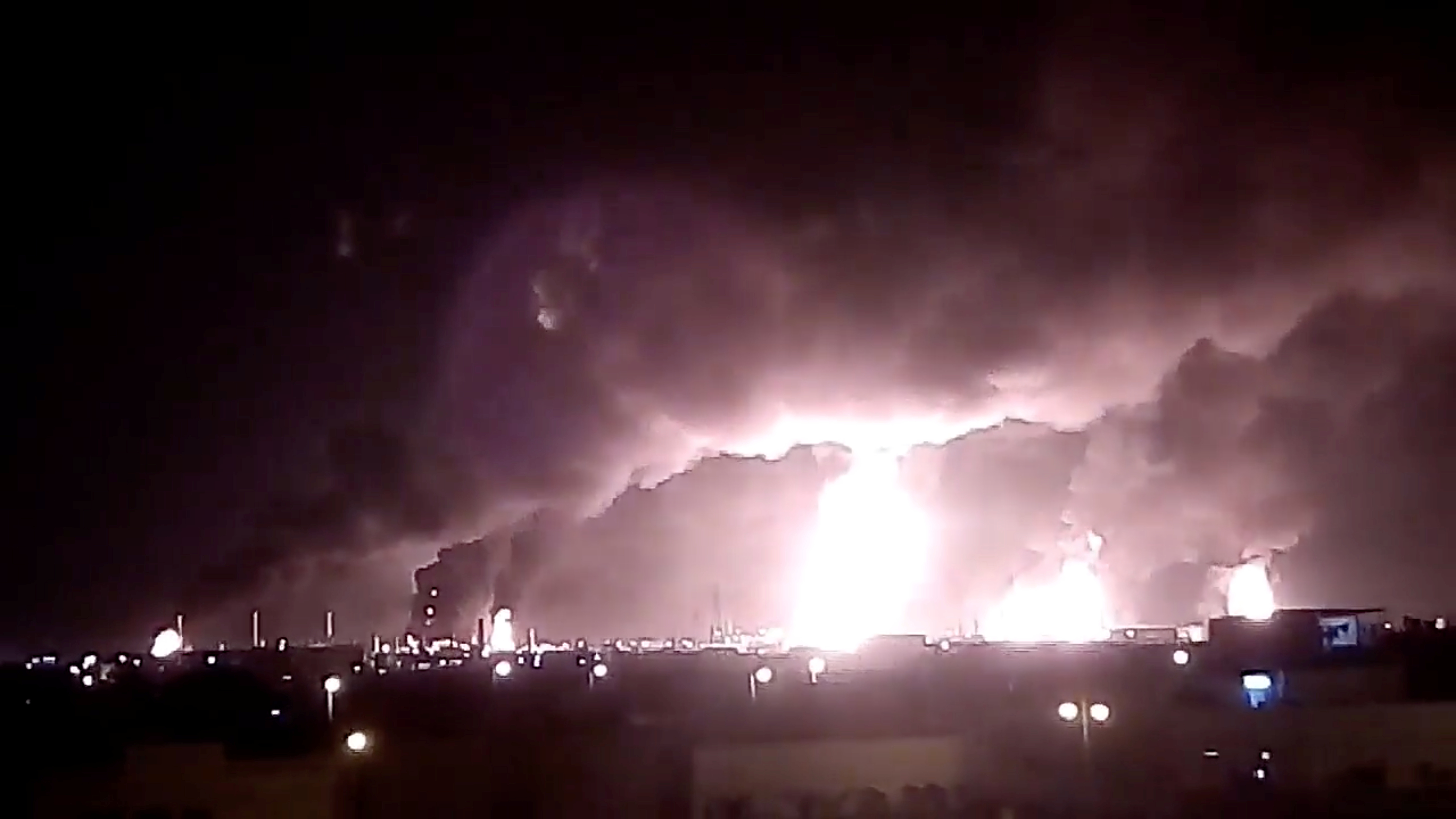
Israel's role in this dynamic is also pivotal. Israeli leader Benjamin Netanyahu, a close ally of Trump, previously stated that Israel "acted alone" in an attack on an Iranian gas field, but also revealed that Trump had requested no further such attacks. This suggests a complex interplay of independent action and behind-the-scenes coordination or restraint requests. The Trump administration consistently maintained that Iran's "autocratic regime is down but not out," signaling a prolonged and costly conflict without a clear end in sight. The human cost is also tragically evident, with reports of executions within Iran, including members of its national wrestling team.
Globally, the conflict's economic disruption creates winners and losers. While some nations, like Russia and China, may benefit from shifting energy markets or regional instability, others face severe economic headwinds. Understanding these complex interdependencies is critical for grasping the broader implications of any future US policy towards Iran.
Reshaping Global Commerce: The Trump-China Dynamic
One of the defining features of Trump's foreign policy during his first term was the aggressive pursuit of a trade war with China. Accusing Beijing of unfair trade practices, intellectual property theft, and currency manipulation, his administration imposed substantial tariffs on Chinese goods. This move dramatically altered global supply chains and economic relationships, sparking retaliatory tariffs from China and creating significant uncertainty for businesses worldwide.
The long-term effects of these policies are still unfolding. Reports indicate a notable shift in global manufacturing and trade patterns, with "Made in China" potentially fading as companies seek to diversify their supply chains. Simultaneously, the notion of "Sold to China" is also evolving, reflecting changes in market access and consumer demand. Data from analyses of US imports in 2025 suggests that the tariffs had a profound impact, reshaping where American businesses source their goods and how Chinese companies operate internationally.
China, for its part, did not passively accept the tariffs. It retaliated with its own duties on US products, impacting American farmers and manufacturers. This tit-for-tat dynamic highlighted the deep economic integration between the two superpowers and the high stakes involved in their trade disputes. The underlying tension also extends beyond trade, encompassing technological competition, geopolitical influence, and human rights concerns.
For a deeper dive into how these dynamics are reshaping international commerce and supply chains, explore our article: Beyond 'Made in China': Unpacking Global Trade Shifts & Tariffs. It offers valuable insights into the ongoing reconfigurations of global manufacturing and trade routes.
Domestic Pressures and International Implications
As political commentator Derek Grossman aptly put it in his Op-Ed for Think China, "Trump’s global agenda flies into domestic headwinds." This observation underscores a fundamental truth: a nation's foreign policy is rarely conducted in a vacuum, isolated from internal political, social, and economic realities. For any leader, domestic challenges often dictate the bandwidth, resources, and public support available for international engagement.
During his previous term, domestic issues such as immigration reform and border security were paramount. The "Trump-era immigration crackdown" was controversial, leading to a surge in migrant deaths, including tragic incidents like the death of a Mexican teen in US immigration custody. These domestic policies, while focused internally, have significant international implications, affecting bilateral relations, humanitarian concerns, and global perceptions of American values and leadership.
Moreover, the political polarization within the United States often translates into a divided approach to foreign policy, making it challenging to build consensus for sustained international commitments. Public opinion, economic conditions, and electoral cycles can exert immense pressure on leaders, sometimes forcing them to prioritize immediate domestic concerns over long-term global strategies. This interplay between the internal and external creates a complex web of constraints and opportunities for any US administration. An effective global agenda, therefore, often requires navigating these strong domestic currents while simultaneously asserting influence abroad.
Broader Global Contexts and Future Trajectories
Beyond the immediate focus on specific nations and policies, Trump's potential return fits into a broader global landscape grappling with evolving challenges. Multilateralism, for instance, faces both support and skepticism. Indonesia, a key player in Southeast Asia, consistently reaffirms its commitment to multilateralism as the UN marks its 80th anniversary, exploring the future of cooperation. This sentiment is echoed by the robust partnership between the European Union and the United Nations, highlighting a continued belief in collective problem-solving. However, these efforts often contend with funding issues, as seen in the alarming underfunding of some of the world's most important forests – a stark reminder of resource disparities in addressing global environmental crises.
The ongoing discussions about the future of global cooperation, as highlighted by initiatives around the UN's 80th anniversary and concerns over vital ecosystems, present a contrasting vision to the more unilateral tendencies often associated with Trump's foreign policy. For further exploration of these crucial global discussions, including the UN's role and environmental challenges, consider reading: UN at 80 & Underfunded Forests: The Future of Global Cooperation.
Furthermore, other global developments continue to shape the international environment: Hungary's Orbán facing accusations over a Ukraine loan veto, Norway's Crown Princess Mette-Marit speaking out about past manipulation, and even historical revelations like Denmark's contingency plans to blow up Greenland runways if the US invaded, all paint a picture of a world in constant flux. These stories, though seemingly disparate, contribute to the intricate tapestry of latest world news, influencing the environment in which major powers operate and making the need for informed analysis ever more critical.
Conclusion
The potential re-emergence of Donald Trump on the global stage presents a compelling and complex narrative for international relations. His established approaches to Iran, marked by aggressive pressure and a readiness for direct confrontation, and to China, characterized by assertive trade policies and economic decoupling, suggest a continuation of a disruptive yet defined foreign policy. These external engagements, however, are inextricably linked to and often constrained by domestic pressures, from immigration challenges to political polarization. As the world continues to grapple with multilateral cooperation, environmental crises, and regional instabilities, understanding the intricate interplay between a leader's agenda and the broader global context becomes paramount. The trajectory of global affairs in the coming years will undoubtedly be shaped by these powerful forces, making vigilance and informed analysis essential for all observers of the latest world news.